
World
Emberville world guide: the Vitromotus prison, the kymia energy that resurrects the dead, procedural biomes, ruins and the survivor settlements hidden in the depths.
Introduction
The Vitromotus is the setting, and it is a strange one. Cygnus Cross describes it as a vast underground world created as a magical prison for unwanted elements, with the developers calling it supposedly endless. It has been reshaped by kymia, a mysterious power born from emotions, which is responsible for two things at once: the trapped returning to life after death, and the world itself mutating into environments and creatures that look nothing like a natural cave system. The procedural generation is framed carefully by the developers. Earlier materials described a procedurally generated world and levels, while later messaging stressed carefully created content, rules and logic producing varied adventures without sacrificing structure. Read together, the accurate picture is a system that generates a wide spread of events, biomes, enemies and treasures inside authored rules, not pure random noise. That distinction matters when planning a run.
World Elements Overview
| Element | What It Is | Why It Matters |
|---|---|---|
| Vitromotus | The magical prison serving as the setting | Frames the whole game as a contained, supposedly endless world |
| Kymia | Emotional energy that revives the dead | Explains the death loop and why the world mutated |
| Procedural depths | Generated levels following authored rules | Varied runs without losing structure or pacing |
| Ruins & settlements | Forgotten tunnels and survivor camps | Knowledge and rescues beyond ordinary loot |
| Strange creatures | Kymia-warped inhabitants | Some may not be as hostile as they first appear |
World Pillars
The Vitromotus
A prison built to be endless
Kymia
Emotion-born energy that revives the dead
Procedural Depths
Variation inside authored rules
Uncertain Allies
Not everything down there is hostile
Ruins & Settlements
More than loot down there
Core Mechanics
The world runs on two interlocking ideas. The first is kymia, the emotional energy that makes death non-permanent. Because the trapped revive, the prison cannot be escaped simply by dying, which is why it functions as a confinement rather than a tomb. The second is scale. Levels are generated with a wide spread of events, biomes, enemies and treasures while still following authored rules, and the developers have framed the result as adventures that vary without sacrificing structure. Practically, that means you can learn the rules of the world even though the layout changes: the kinds of things that occur, the way danger scales with depth and the way ruins and settlements appear are consistent even when the map is not. Threat scaling follows depth rather than a menu setting, so how far you push is the difficulty dial, and the developers have hinted that not every creature down there is as dangerous as it looks.
Advantages
The Vitromotus solves a problem that procedurally generated worlds usually suffer from. Because the setting is explicitly a prison that keeps its inhabitants alive, the developers have a built-in reason for absurd depth, endless tunnels and repeated expeditions. Because generation follows authored rules rather than raw randomness, runs feel varied without becoming incoherent: the world changes, but the logic you learn in one run still applies in the next. The lore also gives exploration a thematic point. Ruins and forgotten tunnels hide knowledge rather than only loot, and survivor settlements mean descending is not purely about what you can carry back. Kymia as a concept ties the resurrection mechanic into the setting so tightly that the revival loop reads as worldbuilding rather than convenience. And the hint that some creatures might not be hostile opens a door for discovery beyond combat.
Challenges
The most honest limitation is that almost none of the specific world content has been published. Cygnus Cross has described the Vitromotus, kymia, procedural generation and the general shape of the world, but individual biome names, region layouts, boss identities and creature rosters are unknown. Any guide claiming to map the regions right now is inventing detail. There is also a terminology trap worth knowing: the official store page spells the prison Vitromotus, while some press materials have written Vitromitus, and this site follows the store page spelling. And because the world is procedurally shaped within authored rules, a route that works in one run may not exist in the next, so players who prefer fixed maps and predictable farming loops will find less to memorise here than in a hand-built dungeon crawler.
Frequently Asked Questions
What is the Vitromotus in Emberville?+
What is kymia in Emberville?+
Is Emberville fully procedurally generated?+
Quick Tips
Treat depth as your difficulty slider rather than looking for a settings menu. Threat scales the deeper you venture, so the honest way to make the game easier is to farm a shallower layer comfortably and return better equipped, not to hunt for an option that lowers enemy damage. Treat each layer as a tier of preparation rather than a skill check, and the difficulty curve becomes something you control instead of something that happens to you.
Learn the rules the generator works inside, because the map itself will not repeat. What stays constant is the relationship between depth, danger and reward, plus the way ruins and settlements appear. That relationship is what lets you plan a run in a world you have never seen. Note what a given depth reliably offers, then plan around those expectations rather than around a route you may never see again.
Investigate before you swing when something unfamiliar has not engaged you. The developers have hinted that not every creature is as dangerous as it looks, and the setting has established that forgotten tunnels hide knowledge as well as loot. Curiosity is cheap compared with a fight you did not need. Worst case you lose a few seconds; best case you find a survivor, a readable fragment of history or a creature that turns out to be an ally.
Featured
Emberville Biome List: All Regions, Lore Spots, and Story
Browse the full Emberville biome list with every region, story landmark, and lore hook that explains what the Vitromotus and its depths really are.
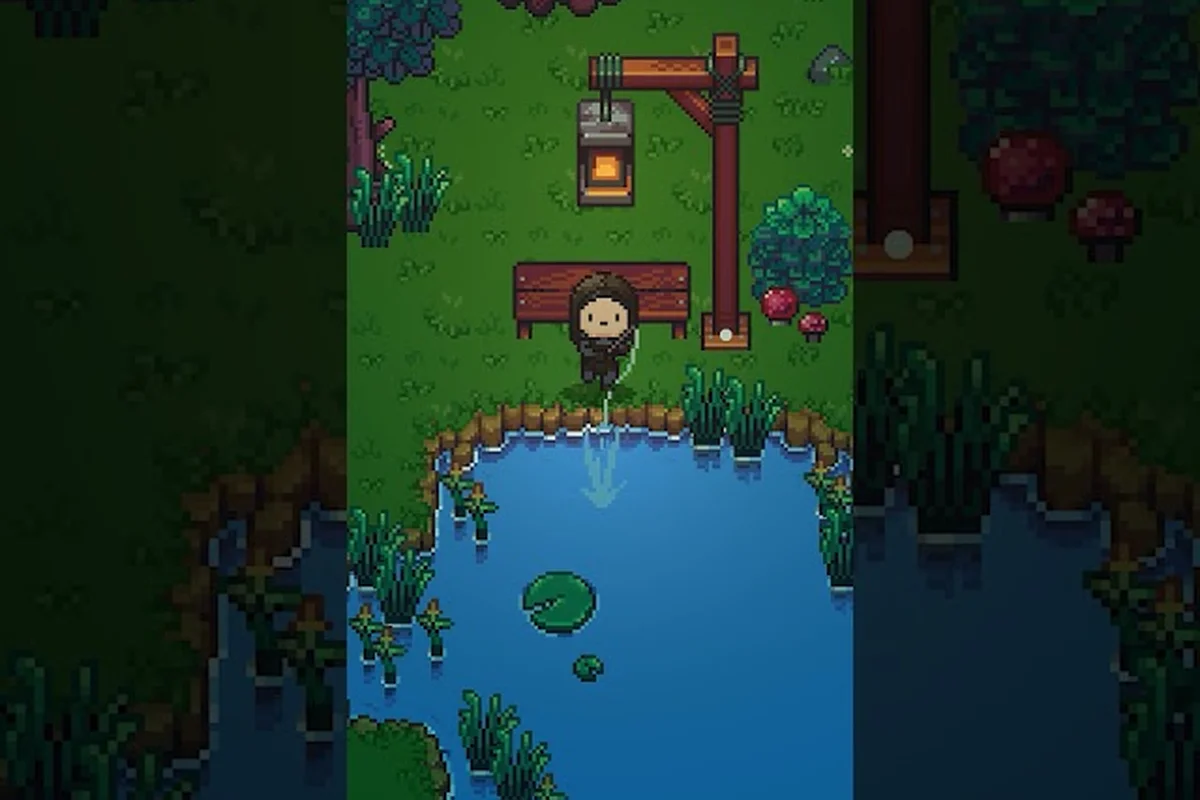
Emberville Enemy Lore: Bestiary Origins and World Connections
Dive into Emberville enemy lore with biome-by-biome bestiary entries that tie creature backstories to the regions, maps, and mysteries of the underground world.
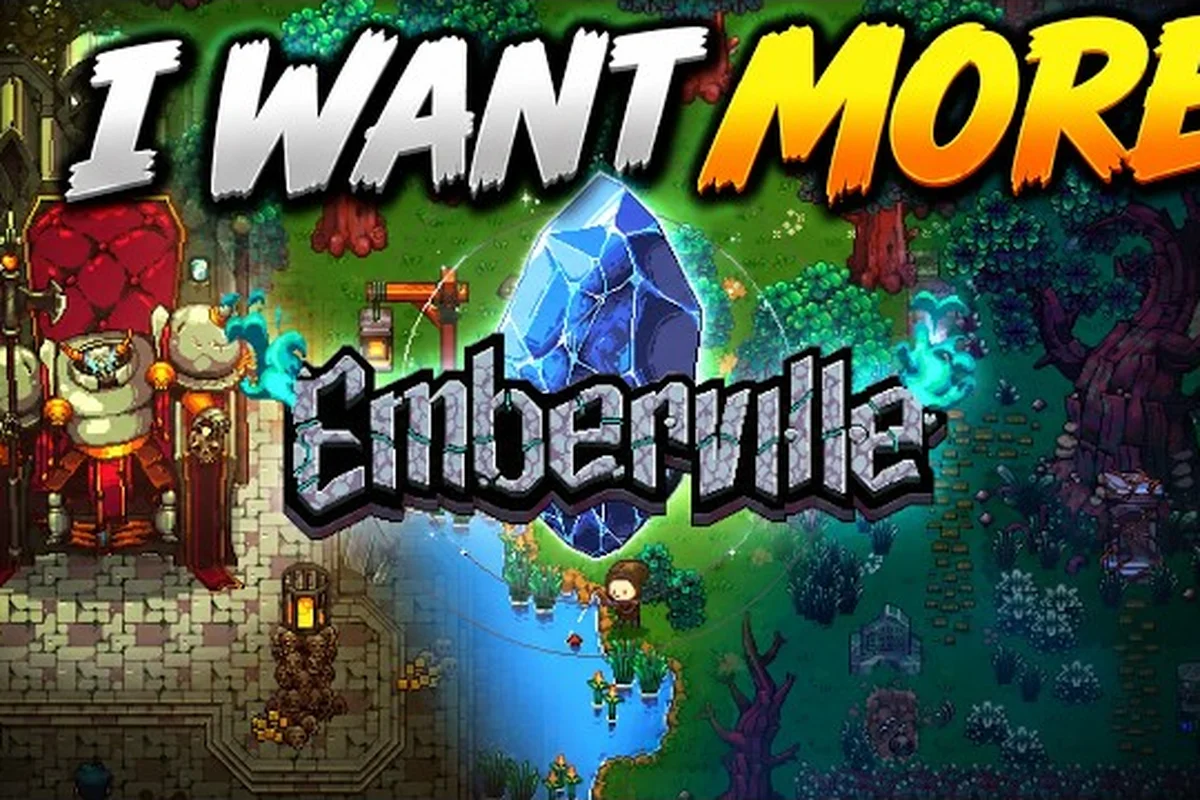
Emberville Secrets Guide: Hidden Areas, Treasure, and Rare Finds
Uncover every Emberville secrets guide hotspot with hidden area locations, environmental hazards to dodge, and the rarest treasure caches worth farming.
All Articles
Emberville Zones: Full Map, Dungeons, and Vitromotus Lore
Tour every Emberville zones entry, from Vitromotus dungeon floors to Kymia's surface, with exploration routes and the lore beats hidden between regions.
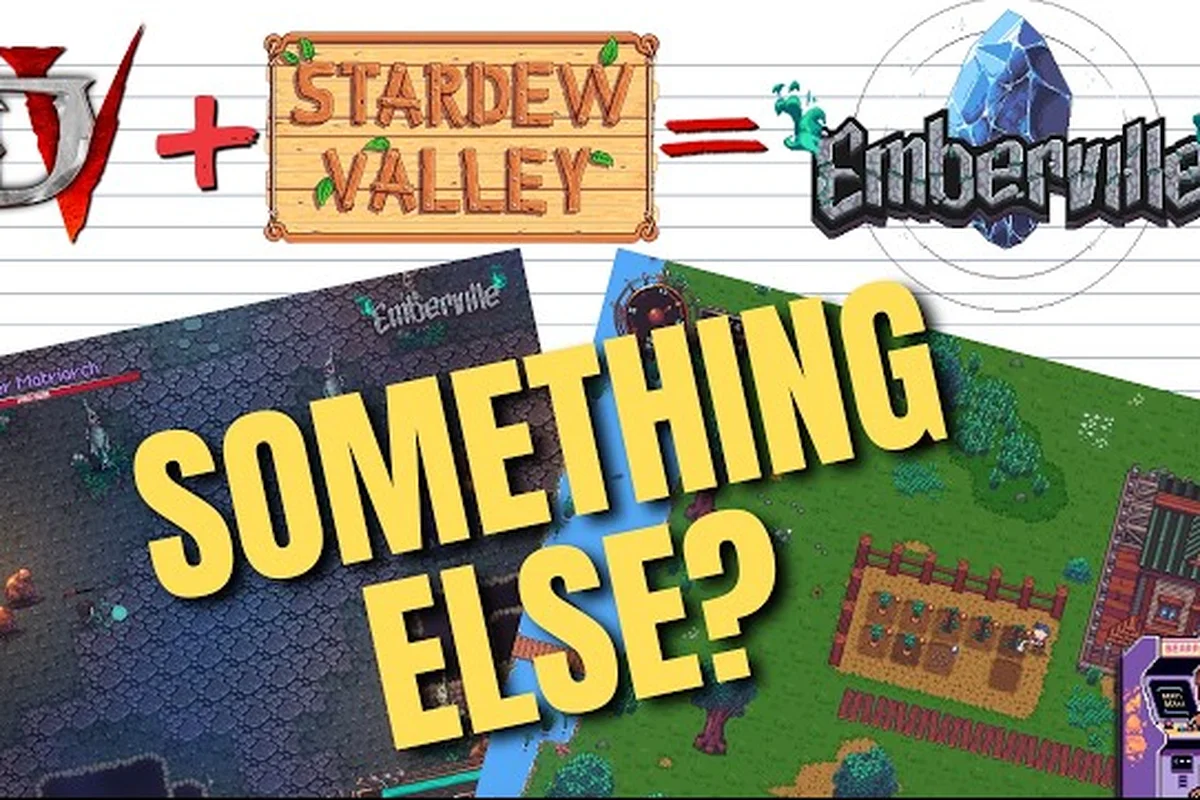
Emberville Biome Guide: Every Region, Depth, and Procedural Map
Tour the Emberville biome guide covering every major region, depth tier, and how the procedural Vitromotus map reshapes your dungeon run from start to finish.
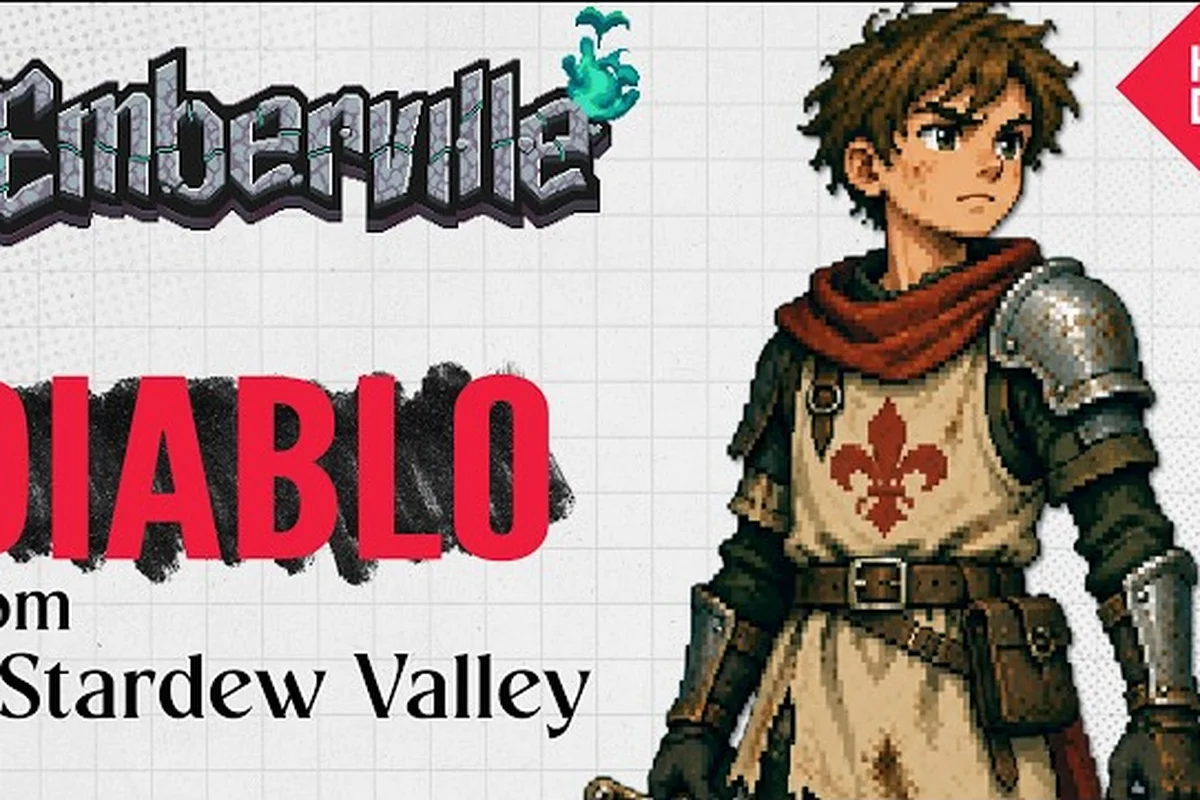
Emberville Ruins: Tunnels, Settlements, and Waypoint Map Guide
Chart every Emberville ruins location, from forgotten tunnels and monster nests to rebuilt settlements and waypoints that tie the bestiary to the world.
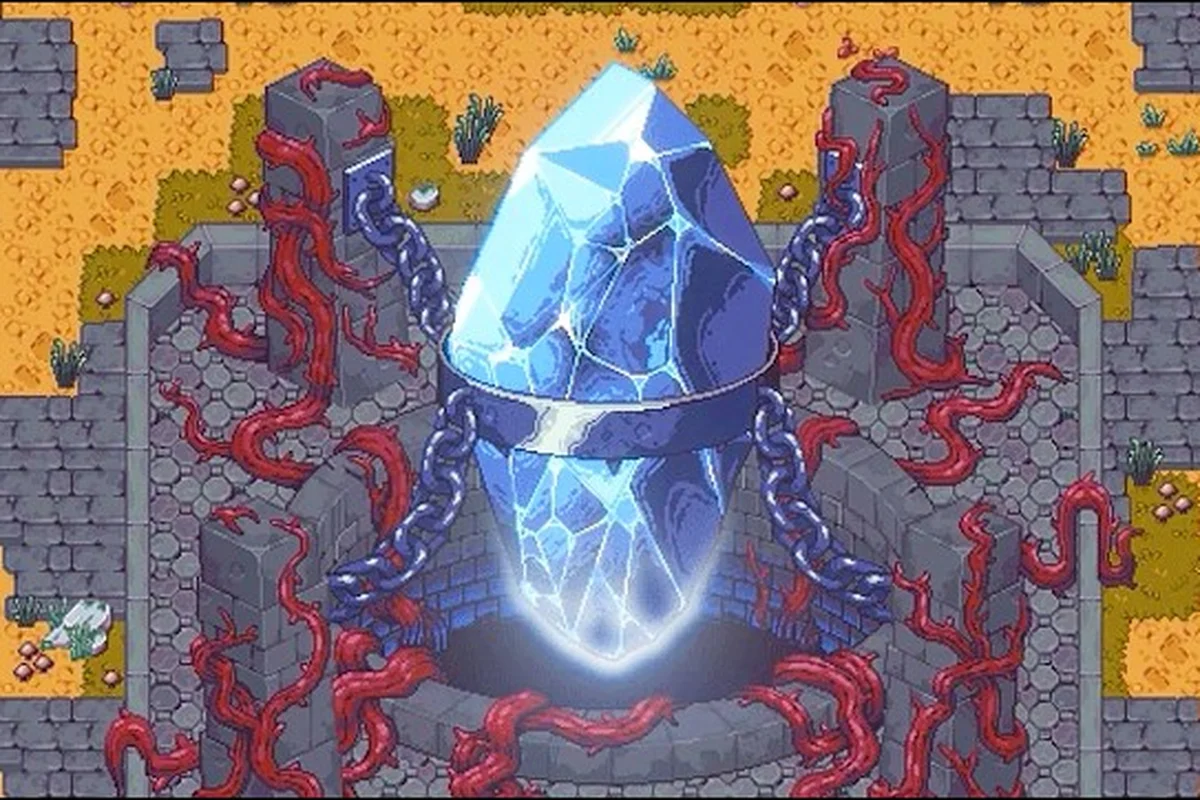
Emberville Traps Guide: Hazards, Events, and Fast Travel Unlocks
Survive the Emberville traps guide playbook with trap patterns, world event triggers, creature tells, and how to unlock fast travel across the Vitromotus.