
Villagers
Emberville villagers guide: rescue survivors inside the Vitromotus, learn what each resident unlocks, and follow villager questlines that rebuild the town and deepen crafting.
Introduction
Emberville is rebuilt one rescue at a time. Every survivor you pull out of the Vitromotus becomes a resident with a trade, a questline and a reason to return to town, and their skills are what turn a ruin into a working hub. This is not decorative side content. Cygnus Cross has described villagers lending skills and teachings as the way new mechanics and crafting branches open, which makes the rescue loop a progression system wearing a story costume. It also gives the expedition half of the game a second objective beyond loot. When you are deep in the prison and a survivor is in danger, the decision about whether to push further or extract them is a real one, because the town only grows if they make it home. The developers have also hinted that resident diaries can be read when nobody is watching, which suggests the town hides more than trades and quest markers.
Rescue Loop Overview
| Stage | What Happens | What It Opens |
|---|---|---|
| Find | Survivors appear in danger while exploring | A choice between pushing deeper and extracting them |
| Rescue | Bring them safely out of the Vitromotus | A new resident in the rebuilt town |
| Trade | They lend skills and teachings | New mechanics and deeper crafting branches |
| Quests | Their storylines send you back out | Routes and locations you might otherwise skip |
| Rewards | Gratitude arrives as practical help | Useful items and upgrades that feed your build |
Rescue Loop
Rescue Loop
Survivors in danger, town regrowth
Trades & Teachings
The gate to deeper crafting
Villager Quests
Storylines that push you outward
Stories & Diaries
Residents keep their own histories
Voice Cast
A fully voiced ensemble
Core Mechanics
The loop has four beats: find, rescue, integrate, develop. Survivors are encountered in danger during expeditions, and freeing them is the main way the town regrows. Back in Emberville, each resident contributes something concrete, most often a trade or a teaching that unlocks mechanics and crafting branches you could not reach otherwise. Their quests then push you toward parts of the world you might otherwise skip, which keeps exploration varied and gives the procedural depths a narrative edge. Rewards for helping them are practical as well as narrative, so side rescues feed directly into your build rather than being flavour text. The developers have also noted that residents keep their own histories and that their diaries may be readable, which points to a layer of authored story sitting underneath the systems. Cygnus Cross has not published a full villager roster, so named residents and their exact unlocks remain unknown.
Advantages
The best thing about the rescue loop is that it gives exploration a purpose beyond loot. A procedurally shaped world can feel aimless when the only goal is deeper, but a survivor in danger turns a random tunnel into a decision with consequences. It also means the town visibly improves as a direct result of your play: buildings fill in, trades appear, and the settlement stops being a ruin. Mechanically, villagers are the gate to deeper crafting, so rescuing them is progression rather than optional content, which neatly solves the usual problem of side content feeling skippable. The questlines keep the world from blurring together by sending you to specific places for specific reasons. And the suggestion that residents hold readable diaries adds the promise of discovery for players who like to dig into a setting rather than only optimise numbers.
Challenges
The main limitation right now is information. Cygnus Cross has described the rescue loop and its purpose but has published very little about specific villagers, their names, their trades or their quest rewards, so a detailed roster guide is not something that can honestly be written yet. That also means players cannot easily plan which rescues to chase first, and must rely on the general principle that more residents means more town function. There is a practical tension too: pushing deeper for loot and extracting a survivor safely pull in different directions, and a failed extraction costs the trip. And because residents arrive gradually, the town feels sparse early on, which can make the rebuilding loop seem like a slow burn before the compounding benefits show up.
Frequently Asked Questions
How do I rescue villagers in Emberville?+
What do rescued villagers give you in Emberville?+
Is the town rebuilding optional in Emberville?+
Quick Tips
Treat every survivor as a piece of your crafting ceiling rather than a story extra. Villager trades gate the deeper branches, so a rescue you skip this run is a recipe you cannot make next week, no matter how much material you have stockpiled at home. Each rescue also changes the town visibly, which makes the settlement feel like a record of what you have actually accomplished rather than a static hub.
Do not chase the deepest possible run when you already have a survivor with you. Extracting safely protects both the resident and the materials you have collected, and a failed deep push costs the town progress as well as your consumables. Greed is the most expensive habit in the Vitromotus. A slow lap through town also gives you a chance to check your storage and crafting stations, so you leave prepared rather than halfway stocked.
Read the town between expeditions. Residents bring new dialogue, quests and personal history as the settlement grows, and since the developers have hinted that diaries become readable, the settlement is worth a slow lap before you head back down into the dark. That habit costs a couple of minutes and often saves a wasted journey, because the diary hint suggests residents hold more information than their trade alone.
Featured
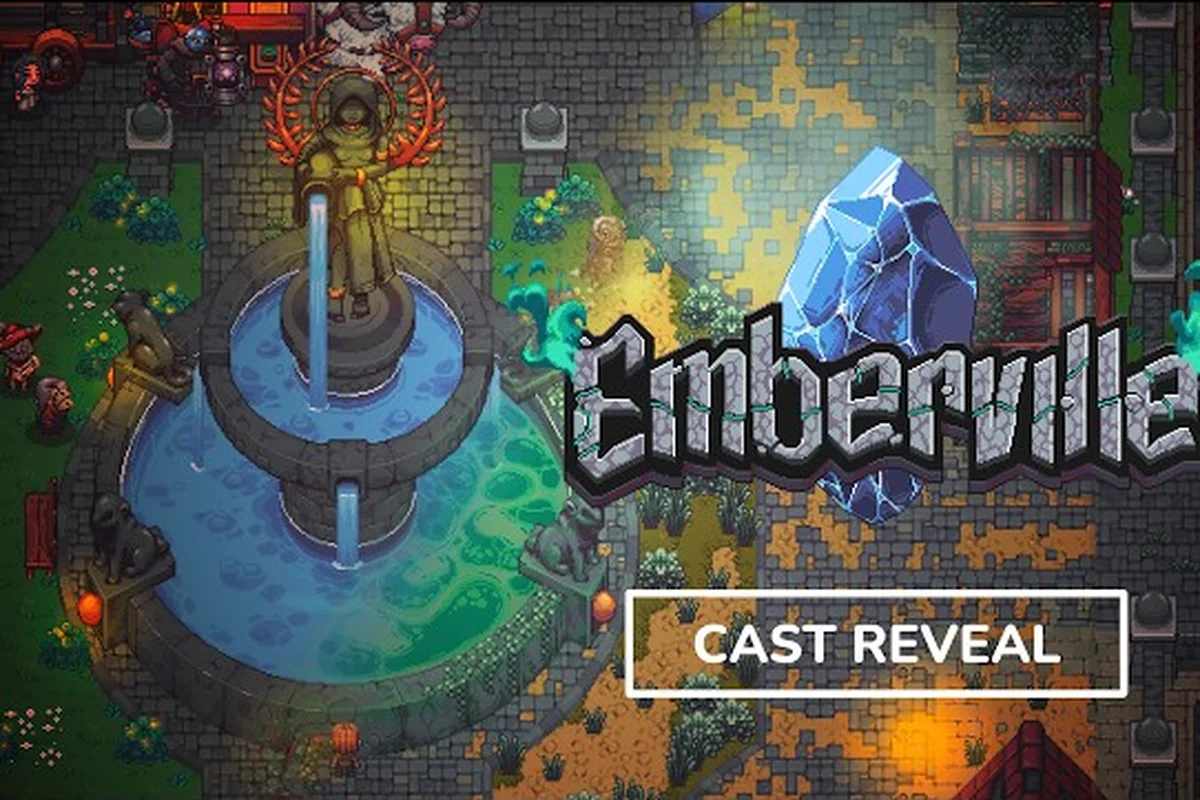
Emberville Cast List: Townsfolk, Trades, and Skills
Browse the full Emberville cast list covering every townsfolk trade, skill, and diary entry that reveals how each character helps rebuild the settlement.
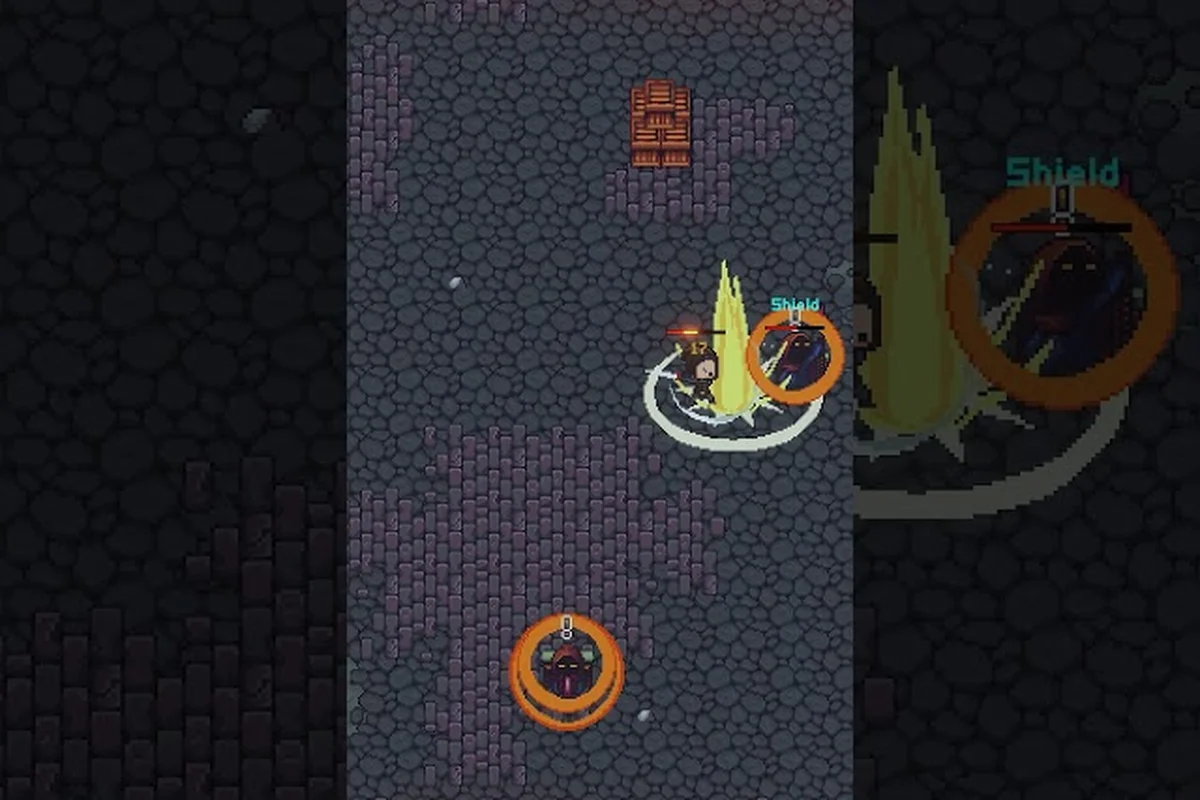
Emberville Relationship Guide: Rewards and Best Quests
Grow ties across Emberville with this relationship guide covering villager rewards, the best side quests, and the hidden NPCs you unlock through personal storylines.

Emberville Villager Guide: Every Resident, Role, and Rescue
Meet every Emberville villager with this full guide covering each resident's role, home location, and what they bring to the rebuilt town after rescue.
All Articles

Emberville Villager Quests: How to Complete Every Town Storyline
Walk through every Emberville villager quest with clear story steps, NPC locations, and lore highlights that explain how each storyline shapes the town.
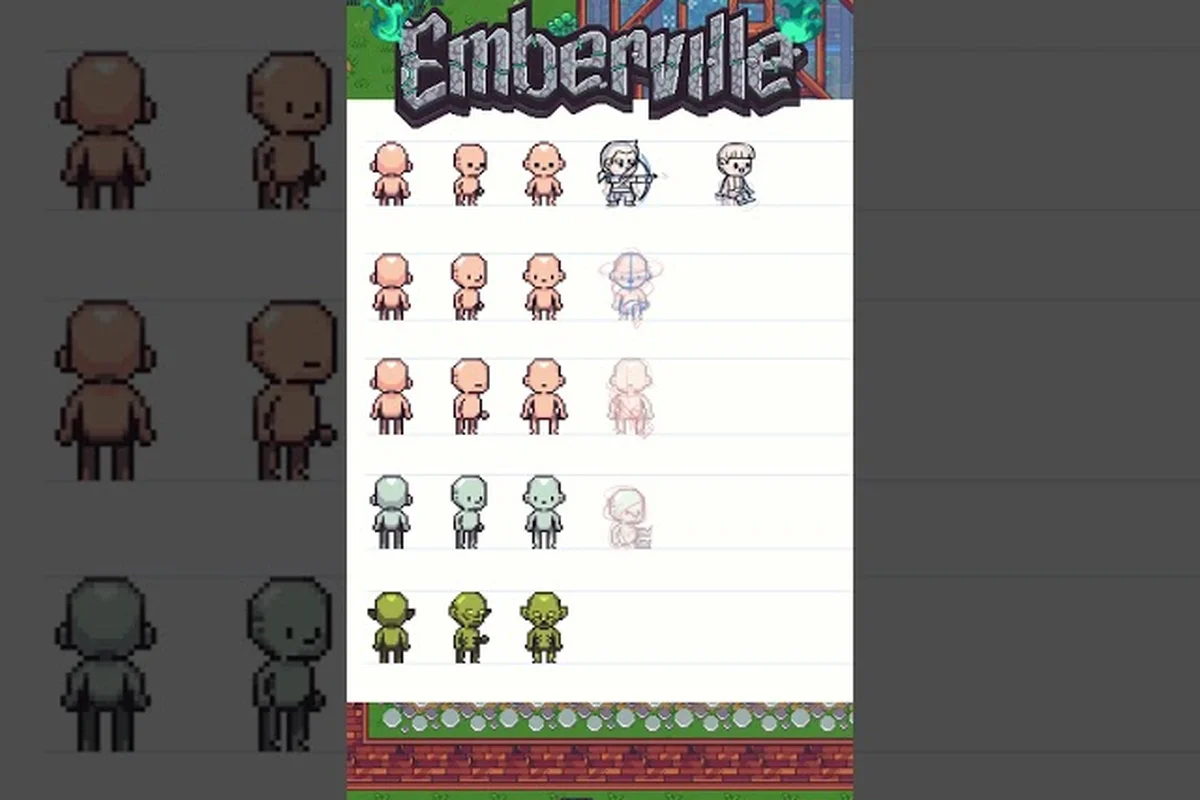
Emberville NPCs: Survivors, Companions, and Town Characters
Browse every Emberville NPCs entry from survivors and loyal companions to town characters, with diary details that bring the rebuilt settlement to life.
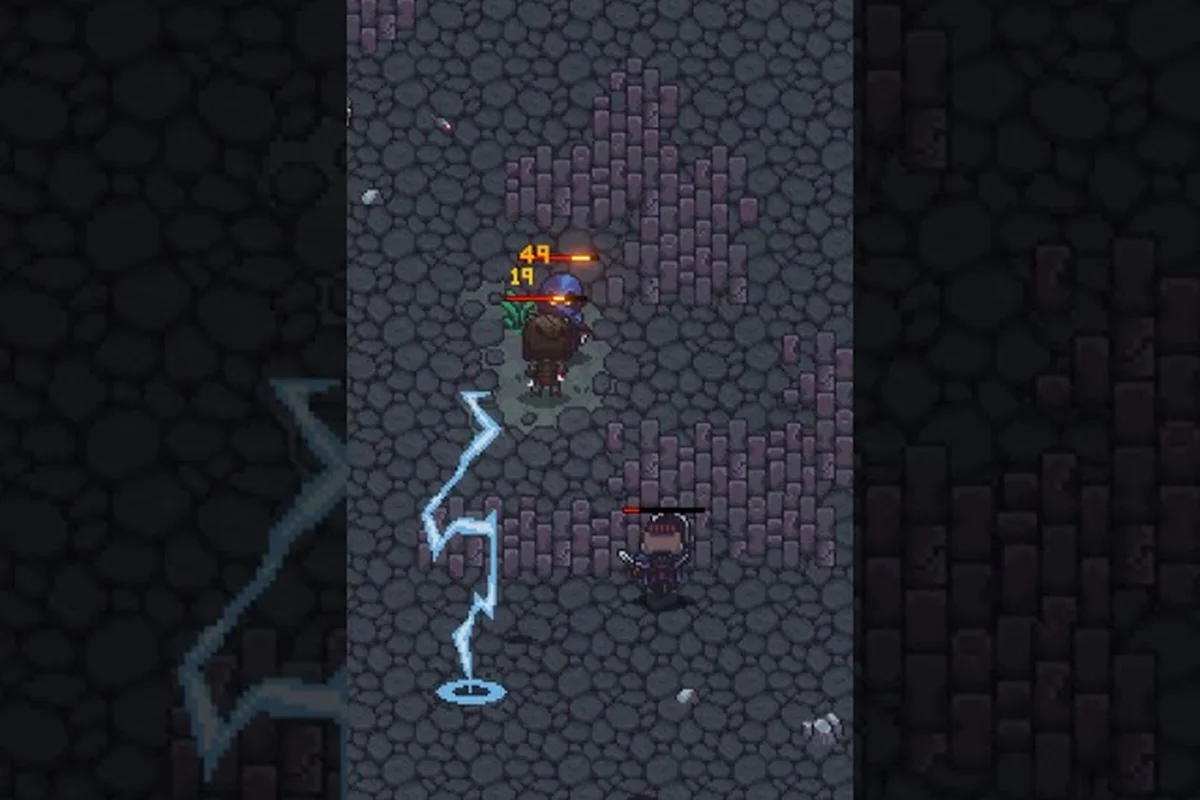
Emberville Recruitment Guide: How to Rescue and Unlock Companions
Learn how Emberville recruitment works, from rescuing companions in the Vitromotus to meeting the unlock conditions that bring each new villager back to town.
Emberville Survivor Locations: Find Every Villager
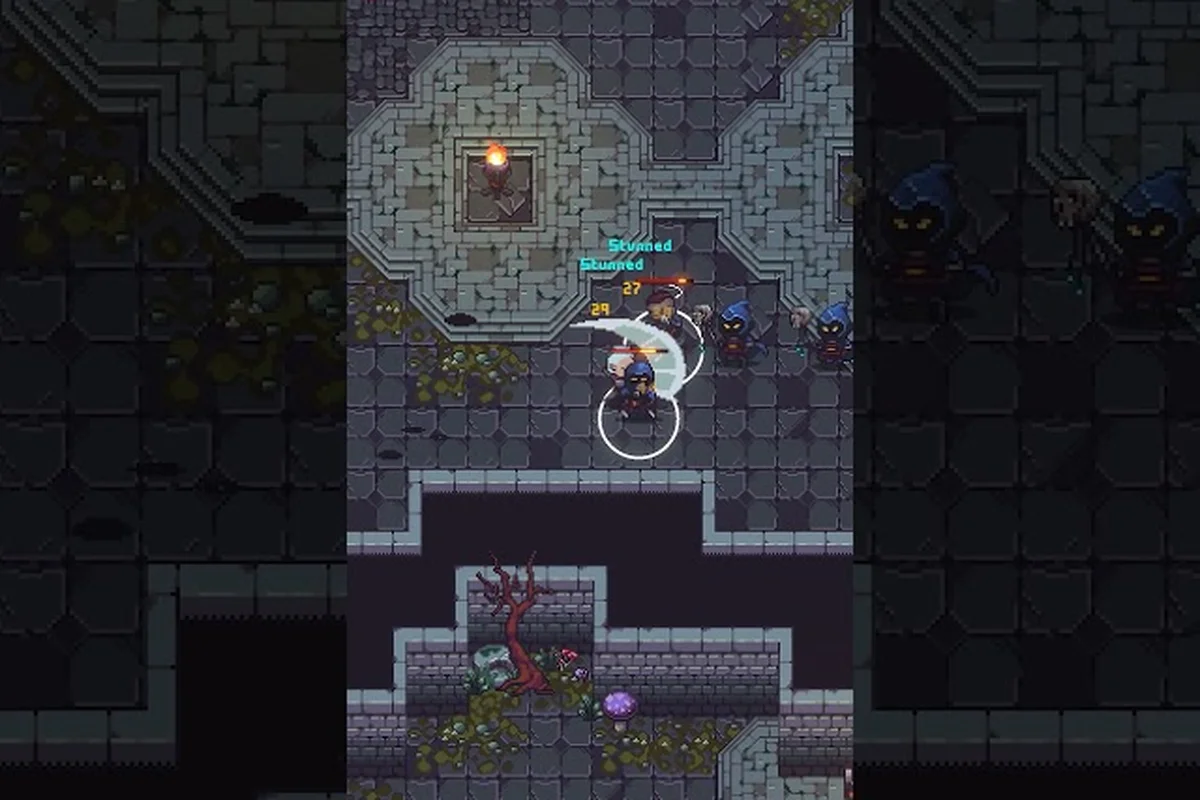
Pin down every Emberville survivor location with map tips and dungeon clues that help you rescue missing villagers and restore the town one resident at a time.