
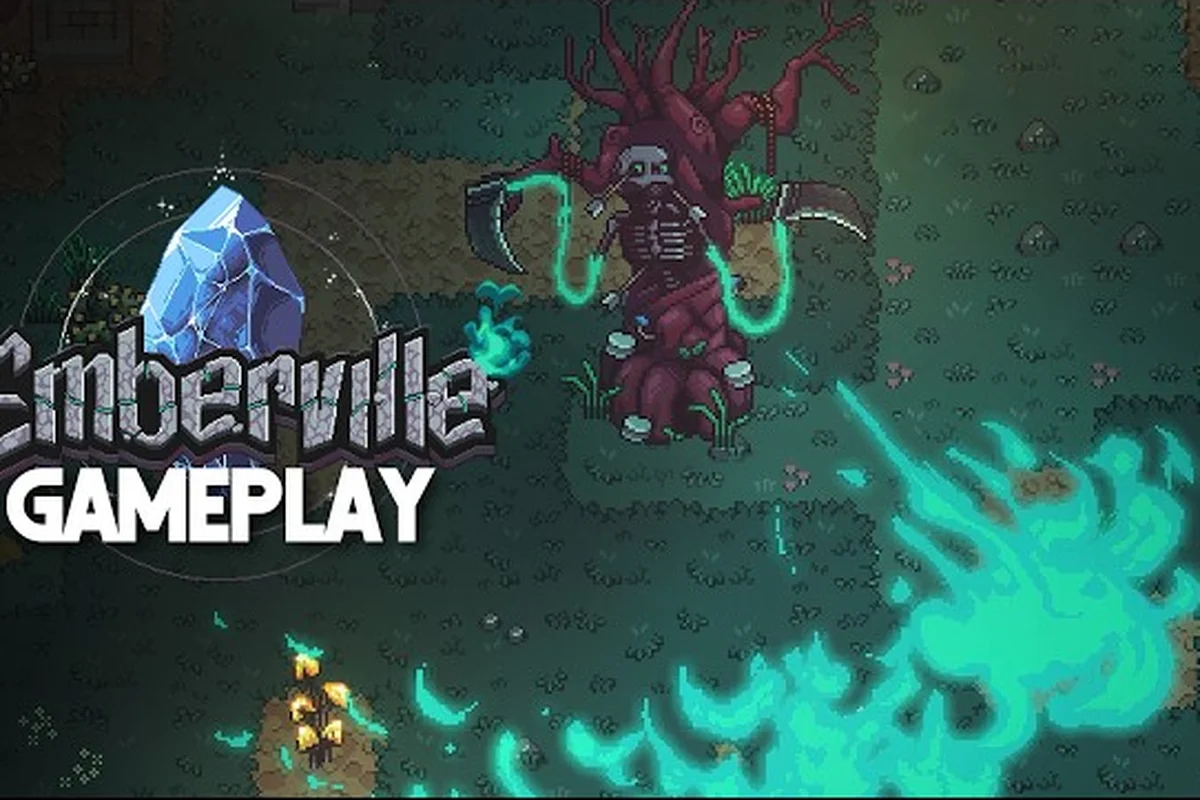
How Long Is the Emberville Demo and What Does It Cover
The short answer to Emberville how long is the demo is roughly 60 to 90 minutes for a focused first playthrough, stretching to three to four hours for players who comb every corridor. Developer Cygnus Cross has designed the playable build as a prologue rather than a sliver of the main campaign, so newcomers get a real feel for the dungeon-crawl loop, the settlement-rebuilding systems, and the inherited skill web that defines the full experience launching on October 27, 2026 through official Discord server. Community reports from the GCX hands-on in late July describe a build that runs from the opening memory-loss cutscene through the first major boss, which is a meaningful chunk for a free taste. Players who have already put time into the build emphasize that the prologue is paced to teach, not to overwhelm, and that it gives a clear picture of how strong a character can become before Early Access goes live.
This guide breaks down the demo's actual structure, the systems it introduces, and how to use that playtime to prepare for the full Emberville early access release date launch. If you want a side-by-side of the prologue versus the Early Access scope, the Emberville early access content overview sits right next to this article and is worth reading in parallel.
What the Prologue Demo Includes
The Vitromotus Awakening Sequence
The demo opens with the protagonist waking up inside the Vitromotus, a vast underground dungeon where death no longer resets progress. This single decision shapes every other system in the game, and the prologue makes sure you understand it before the credits roll. Players spend the first 15 to 20 minutes learning the controls, scavenging early gear, and absorbing the atmosphere of the caverns through environmental storytelling rather than tutorial pop-ups. The Vitromotus itself is procedurally seeded in the demo, so two runs do not feel identical, but the opening room, the first shrine, and the path to the early miniboss are all stable landmarks players can use to orient themselves.
Combat, Crafting, and the Inherited Skill Web
Combat in the prologue runs at a brisk pace and uses the inherited skill leveling system that becomes a centerpiece of the full game. Instead of unlocking skills from a flat tree, you inherit abilities from rescued NPCs and fallen enemies, layering passives and active moves into a personal build. The demo lets you inherit at least three skill branches before the first major encounter, which is enough to test the emberville how to get stronger loop without overwhelming a new player. Crafting is also live in the playable build, with workstations for weapon repair, basic cooking, and rune inscription appearing in the second half of the prologue.
Town Rebuilding Teaser
Roughly two-thirds of the way through the demo, the player returns to the ruined town of Emberville and sees the rebuilding shell in action. You can place a few structures, assign rescued survivors, and watch the settlement tick forward a simulated day. It is a stripped-down version of the full system, but it does a strong job of showing why each expedition into the Vitromotus matters: every survivor you drag back has a job, and every job changes what the town can produce.
Emberville Demo Content vs. Early Access Scope
The prologue is not just a marketing slice. It is a self-contained vertical of the game's core loop, and Cygnus Cross has been careful to keep it representative. The table below compares what the demo exposes today with what arrives when Early Access opens on October 27, 2026, based on the official Steam listing and community coverage from the Emberville early access announcement on Terminals.
| Feature | Demo (Current) | Early Access (Oct 27, 2026) |
|---|---|---|
| Playable Areas | Vitromotus prologue + ruined town shell | Full Vitromotus biome set + expanded Emberville |
| Estimated Runtime | 60–90 min (focused), 3–4 hr (completionist) | 25+ hours for main expedition arc |
| Skill Branches | 3 inherited branches available | 8+ branches across class archetypes |
| Boss Encounters | 1 main boss + 2 minibosses | Multiple biome guardians + secret bosses |
| Crafting Stations | Repair, basic cooking, rune inscription | Full crafting suite including gear forging |
| Multiplayer | Single-player only | Optional co-op expeditions |
| Town NPCs | 3 assignable survivor types | 15+ survivor archetypes with branching roles |
| Save Transfer | Not applicable | Carries prologue progress into Early Access |
A practical takeaway from the table: any time you invest in the prologue carries forward only after Early Access launches, so the demo is best treated as both a tutorial and a benchmark. If you are looking for a longer breakdown of the post-launch roadmap, the Emberville early access roadmap details explain how the developer's first six months are structured.
How to Get Stronger During the Demo
The emberville how to get stronger question comes up in every community thread, and the answer inside the demo is the same answer that will matter at full launch. There are four pillars of progression, and ignoring any one of them leaves measurable power on the table. The table below ranks the pillars by how much raw damage output each one adds during the prologue, based on community data shared after the GCX event.
| Progression Pillar | Approx. Damage Gain | Time to First Benefit |
|---|---|---|
| Inherited skill branches | 35–45% | ~20 min into a run |
| Weapon upgrades at repair bench | 20–25% | ~30 min into a run |
| Rune inscription on gear | 15–20% | ~45 min into a run |
| Town NPC assignments | 10–15% indirect buffs | ~60 min into a run |
Prioritize Inherited Skills First
Inherited skills are the single biggest lever because they add both new active abilities and passive multipliers. During the demo, the most reliable path is to defeat the first miniboss, inherit its skill, then immediately backtrack to a shrine to slot the passive. Players who skip this step often report feeling "stuck" against the prologue's main boss, because the encounter is tuned around a character with at least one inherited branch online. If you want a deeper walkthrough of the skill system, the Emberville beginner guide walks through the first hour of a fresh save in detail.
Upgrade Weapons Before Inscribing Runes
The repair bench is right next to the second save shrine, and using it on your starting weapon takes only a few seconds. Inscribing a rune before the weapon is upgraded wastes the rune's stat budget on a base-damage floor that has not moved yet. Players who follow the upgrade-then-inscribe order report smoother pacing through the mid-game dungeon crawl, and the Emberville build guide on respec and gear covers how this scales once Early Access opens.
Treat Town NPCs as a Long-Term Investment
NPC buffs look small on paper, but they compound across expeditions. The three survivor types available in the demo each grant a different passive: a blacksmith cuts repair costs, a cook boosts food heals, and a scout increases map reveal range. Assigning all three before your second expedition is the fastest way to make the second run feel noticeably easier than the first.
Prologue vs. Other Public Builds
Cygnus Cross has shown Emberville at multiple events, and not every build is the same. The table below distinguishes the GCX floor build, the Steam Next Fest demo, and the prologue that is currently downloadable, because players often conflate them in forum discussions.
| Build | Location | Approx. Length | Notes |
|---|---|---|---|
| GCX hands-on | Universal Orlando, July 24–25, 2025 | 20–30 min | Curated showcase, not downloadable |
| Steam Next Fest demo | Steam (June 2026) | 45–60 min | Limited build, two minibosses only |
| Current prologue build | Steam (current) | 60–90 min focused | Includes main boss + town shell |
| Early Access launch | Steam, Oct 27, 2026 | 25+ hours | Full game scope |
Players asking emberville how long is the demo today should be referring to the current prologue, not the GCX showcase or the Next Fest build. The runtime has grown with each public release, and the prologue is by far the most complete picture of the final product.
Pre-Launch Checklist Before October 27
There is a real benefit to using the remaining weeks before emberville early access release date to prepare. The list below is a concrete checklist that experienced playtesters recommend, ordered by impact on day-one performance.
-
Finish the prologue at least twice. One focused run, one completionist run. This trains muscle memory on the inherited-skill UI and the rune inscription flow.
-
Note your favorite skill branches. The Early Access launch will let you carry progress forward, and knowing your preferred archetype saves a full respec later.
-
Test every weapon class in the demo. Daggers, greatswords, and staves all behave differently against the prologue boss, and Early Access adds more options.
-
Map the town shell. The settlement layout in the demo is a smaller version of the full hub, and learning NPC placement speeds up the early-game loop.
-
Track patch notes. The demo has been updated several times since July, and the Emberville patch notes log is the best place to see balance changes before Early Access.
What to Expect on October 27, 2026
The Early Access launch on October 27, 2026 is a Tuesday, which is consistent with Cygnus Cross's preference for midweek launches. Players who have the demo installed will be able to update rather than redownload, and saved progress from the prologue is expected to carry forward. The launch build adds the full biome set, the complete crafting suite, optional co-op expeditions, and the first season of post-launch content. Community data from the most recent beta branch suggests the developer is actively tuning enemy density and boss damage, and a small balance pass is likely in the first Early Access patch. If you want a side-by-side of what the prologue teaches versus what the launch build assumes, reading the Emberville demo release date and download details alongside this guide gives the full picture.
The prologue is long enough to teach the core systems, short enough to replay in an evening, and faithful enough to the final product that any time spent in it pays off the moment Early Access opens. Run it at least twice, inherit at least one skill branch per run, and walk into October 27 already knowing how your character fights.
Frequently Asked Questions
How long is the Emberville demo if I just want the main story beat?
A focused first run that reaches the prologue boss and watches the credits takes about 60 to 90 minutes. Speedrunners in the community have posted sub-50-minute times, but those skip most side content. For a relaxed first playthrough that still hits the ending, plan on roughly an hour and a half.
Does Emberville demo progress carry over to Early Access?
Yes, Cygnus Cross has stated that prologue saves will migrate into the Early Access build on October 27, 2026. Your inherited skills, gear upgrades, and town assignments will all be present in the full game, which is why two demo runs are recommended before launch.
What is included in the Emberville demo content?
The current build includes the Vitromotus awakening, the first inherited skill branches, one main boss, two minibosses, the ruined town shell, and the three core crafting stations. It is a vertical slice of the full game rather than a marketing trailer, so every system you see in the prologue scales into Early Access.
When is the Emberville Early Access release date?
The Early Access launch is set for October 27, 2026 on Steam. The developer Cygnus Cross is also the publisher, and the build will be available globally on the same day. Pre-purchase details and pricing tiers are listed on the official Steam page.
How do I get stronger faster in Emberville during the demo?
Prioritize inheriting a skill branch after the first miniboss, upgrade your weapon at the repair bench before inscribing any runes, and assign all three town NPC types before your second expedition. That sequence produces the largest damage and survivability gains per minute spent, and it mirrors the optimal early-game loop in the full build.