
Crafting
Emberville crafting and farming guide: leveling professions, growing crops on your estate, gathering ore and herbs, and turning blueprints into potions, food and tools.
Introduction
Crafting is Emberville's second progression spine, and it runs alongside combat rather than behind it. Gathering, farming and crafting each level as their own skills, which means a session spent picking plants or working a farm plot is genuine character progress rather than a side errand. The materials you pull out of the Vitromotus feed straight back into equipment, and the consumables you make on your estate are the practical answer to fights you cannot yet win outright. Rescued villagers are the other half of the system: their trades and teachings gate the deeper crafting branches, so town rebuilding and recipe depth move together. If you treat crafting as the chore you do between expeditions, you will find yourself short of potions at exactly the wrong moment. Treated as a parallel track, it smooths every wall the combat half of the game puts in front of you.
Profession Quick Reference
| Track | What It Produces | Main Use |
|---|---|---|
| Gathering | Plants, wood and minerals | Shared inputs behind almost every early recipe |
| Farming | Crops grown on estate plots | Renewable food and potion ingredients between runs |
| Crafting skill | Recipes, blueprints and finished items | Raises what a single craft can produce |
| Villager trades | New branches and advanced recipes | Gate the deeper crafting options |
| Equipment work | Weapon, armor and tool improvements | Keeps your kit relevant as threat scales with depth |
Crafting Tracks
Gathering
Plants, wood and minerals
Farming
Renewable crops on estate plots
Crafting Skill
Levels what a single craft produces
Villager Trades
Rescue survivors to open recipes
Equipment Work
Weapons, armor and tools
Core Mechanics
The system starts with raw materials. Plants, wood and minerals are the shared inputs behind most early recipes, gathered on expeditions or produced on your own land. Farming adds a renewable layer: crop plots on your estate turn a one-off harvest into a supply that keeps producing between runs, which matters enormously for potion ingredients and food. Crafting itself levels as a skill, and the level raises what a single craft can produce, so the returns compound rather than scaling linearly with time invested. Recipes and blueprints unlock through that progress and through rescued villagers, whose professions gate the more advanced branches. Crafting also extends well beyond combat gear. Potions, food, tools and trinkets all matter for surviving deeper expeditions, and the dynamic HUD lets you switch task focus quickly so a farming trip does not accidentally become a boss attempt.
Advantages
The most valuable property of Emberville's crafting is that it converts time you can spend safely into power you can spend dangerously. Farming and gathering on your estate are low-risk activities that produce the consumables that make high-risk expeditions survivable, which means a player who is stuck on a boss always has a productive alternative to throwing attempts at a wall. Because the skill levels independently, progress is never wasted: even a short gathering session advances a track that will eventually raise what every future craft produces. Villager trades also mean that crafting depth and town rebuilding reinforce each other rather than competing for attention, so rescuing survivors pays off in recipes as well as story. And the profession spread keeps variety high, since gathering, farming and crafting each offer a different rhythm rather than three flavours of the same grind.
Challenges
The honest cost is time and organisation. Gathering raw materials is not exciting, farming requires regular returns to your plots rather than one long session, and the benefits arrive on a delay rather than immediately. Players who enjoy action first and logistics second often neglect the crafting half until a boss forces the issue, at which point they are starting from a low skill level at the worst moment. There is also a real risk of spreading across too many professions at once and finishing none of them, since gathering, farming and crafting all compete for the same play sessions. And because Emberville is in Early Access, recipe balance, material yields and blueprint availability are all subject to change, so any list of optimal recipes or farming routes should be treated as provisional rather than final.
Frequently Asked Questions
How does crafting work in Emberville?+
What should I craft first in Emberville?+
Do I need to farm in Emberville or can I just gather?+
Quick Tips
Grow more than you think you need of whatever feeds your favourite consumable. Potion and food demand spikes exactly when you are attempting hard content, which is the worst time to discover your plots are empty and your storage is bare. A surplus costs nothing but space. A full pantry also means you stop rationing potions, and using consumables freely is what turns a survivable run into a comfortable one.
Craft your restock while you are already at home rather than making a special trip. Bundling gathering, planting and crafting into the end of an expedition keeps the routine short, and it means you leave for the next run with a full inventory instead of a shopping list. Bundling the chores into one visit also gives you a natural moment to check villager quests, plant the next crop and empty your bags before leaving again.
Check villager questlines whenever a recipe seems impossibly out of reach. Advanced crafting branches are gated behind rescued survivors and their trades, so the solution to a crafting wall is often found by exploring rather than by grinding the same station harder. Check the town before you blame your own skill level, because a missing profession can look exactly like a missing recipe tier from the crafting screen.
Featured
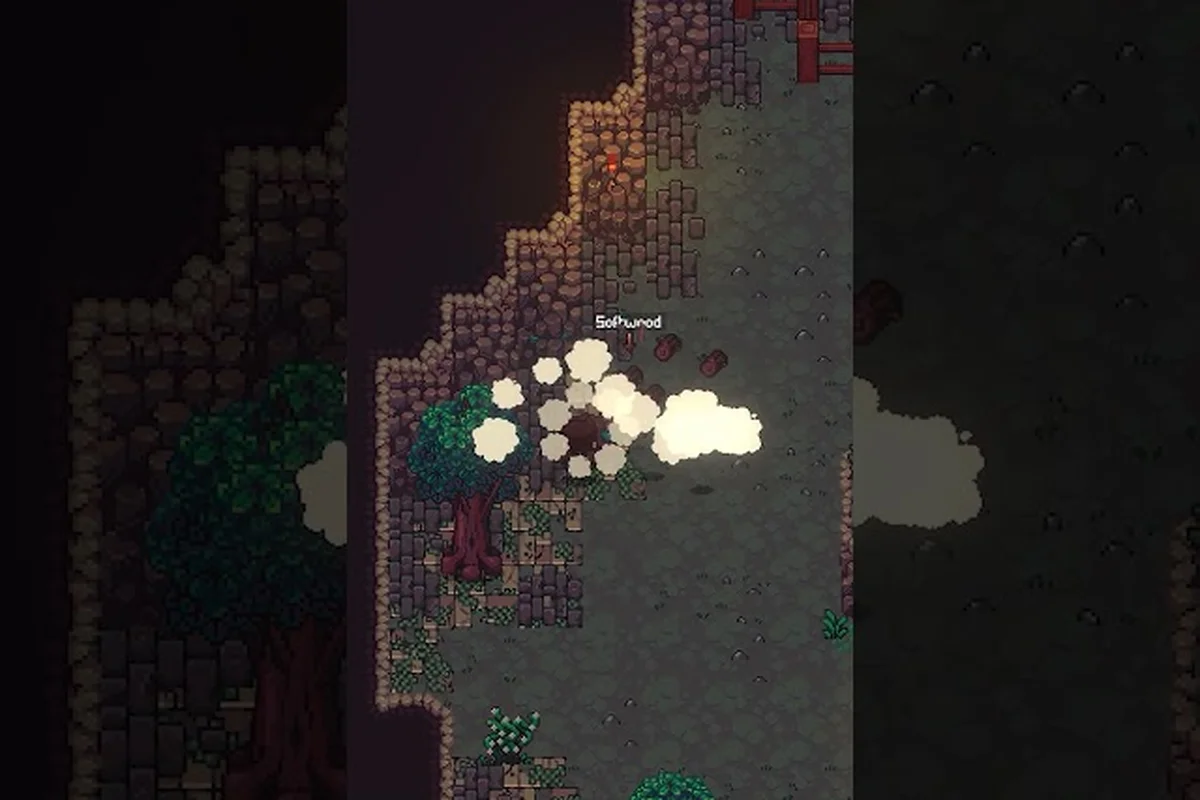
Emberville Crafting Guide: Recipes, Nodes, and Blueprints
Master Emberville crafting from node gathering to recipe unlocks, covering farming routes, skill leveling, and where to find rare blueprints in the Vitromotus.

Emberville Herbalism Guide: Rare Plant Locations and Upgrade Tips
Pin down the rarest Emberville herbs with this herbalism guide, covering plant spawn locations, common crafting mistakes, and the upgrades worth chasing first.
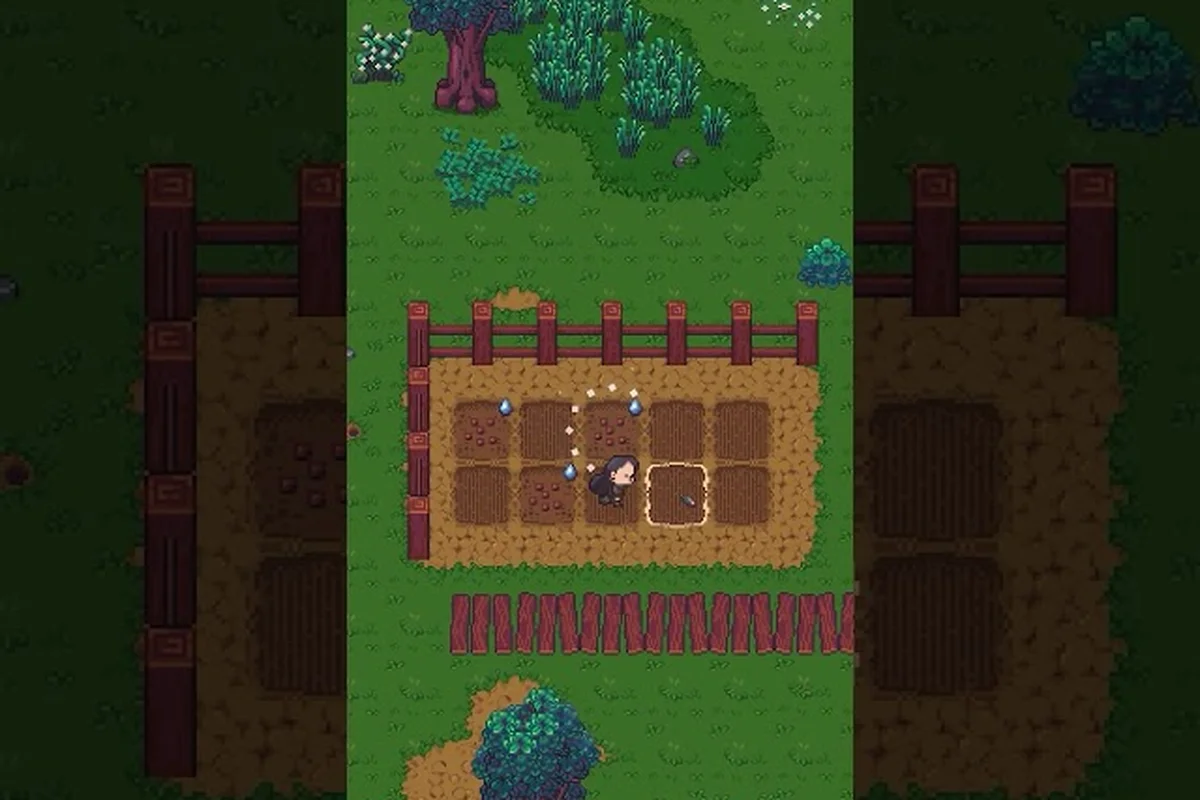
Emberville How to Grow Crops: Planting, Harvest, and Meals
Master the full Emberville how to grow crops cycle, from planting seeds and harvest timing to cooking meals and brewing potions for steady stat buffs.
All Articles
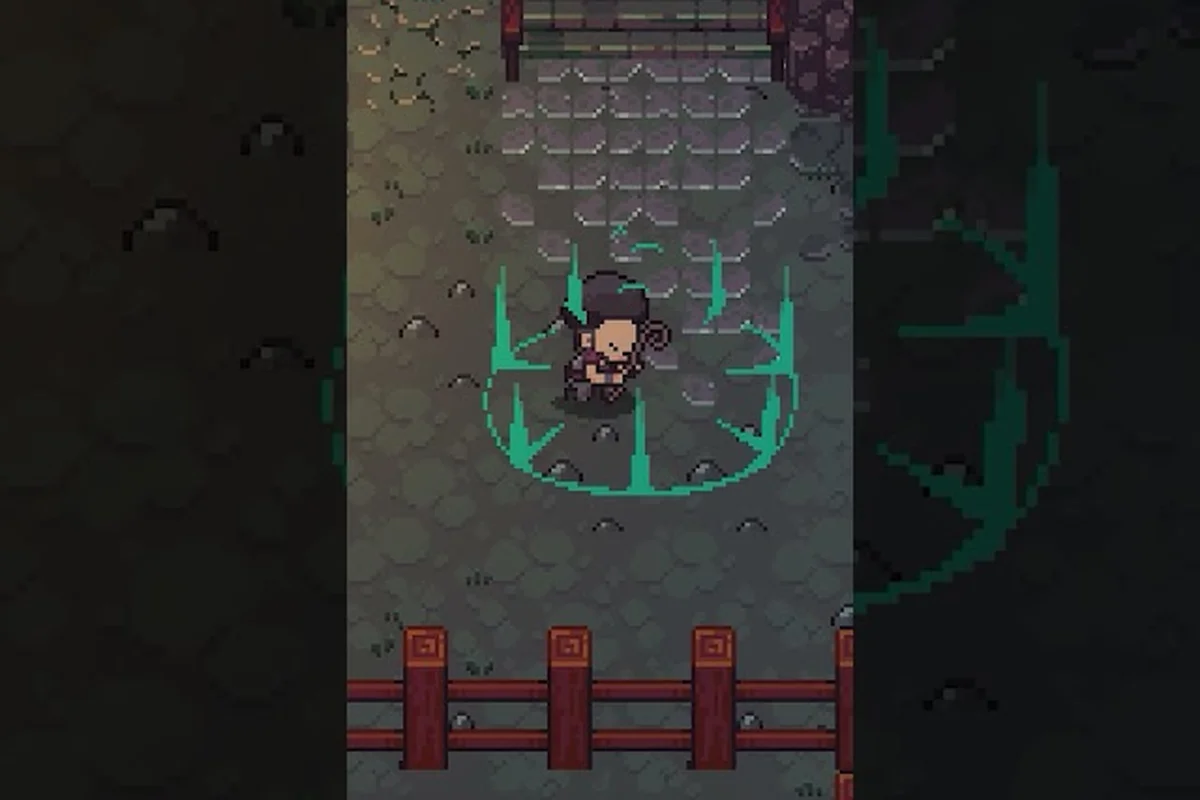
Emberville Tools Crafting: Trinkets, Gold, and Skills
Speed up your Emberville tools crafting with the best trinket recipes, proven gold-making routes, and skill leveling paths that pay off in the Vitromotus dungeon.
Emberville How to Repair Gear: Stations and Durability Fixes
Keep every weapon and armor piece battle-ready with this Emberville how to repair gear guide covering repair stations, professions, and durability blueprint unlocks.
Emberville Crafting Materials: Farm Routes and Node Locations
Track down every Emberville crafting material with the best farming routes, node locations, and gathering tips to keep your workbench fully stocked.
Emberville Crafting Stations: Unlocks, Setups, and Locations
Find and unlock every Emberville crafting station, from the workbench and smithing forge to the alchemy lab, plus mining and woodcutting setups to know.