
Guides
Emberville beginner guides covering the first hours in the Vitromotus: the core expedition loop, class choice, combat basics, crafting, and estate building for new players.
Introduction
Emberville opens with an amnesiac protagonist waking inside the Vitromotus, a magical prison where dying no longer sticks, and the first hours decide whether the game clicks or overwhelms you. These guides exist to remove that friction. They walk through the rhythm the game is built on: venture out, return stronger, rebuild the town, then go deeper. You will learn what the prologue demo actually lets you keep, how the two-button combat foundation works before combos enter the picture, when to swap classes instead of pushing one further, and which estate buildings repay their cost first. Guides are organised so a brand new player can read one page and play immediately, while returning players can jump straight to progression, performance settings or achievement hunting. Every article is written against what Cygnus Cross has shown publicly so far, and we mark anything still provisional for the Early Access build rather than presenting guesses as fact.
Starter Route At A Glance
| Step | Focus | Why It Matters |
|---|---|---|
| 1 | Read the room | Understand the Vitromotus, the kymia revival loop and what the prologue demo keeps between runs. |
| 2 | Set a combat baseline | Learn the two-button attacks, dodge timing and spacing before chasing combo unlocks. |
| 3 | Pick a starting class | Choose a kit that survives early fights, then plan the swap instead of treating it as permanent. |
| 4 | Open the town loop | Rescue your first survivors to unlock gathering, crafting and questlines. |
| 5 | Claim the estate | Place a workbench and a farm plot so every expedition funds the next one. |
Core Mechanics
The core loop is a three-beat rhythm: expedition, return, rebuild. You descend into the Vitromotus, fight through procedurally shaped tunnels and ruins, and carry loot, materials and rescued survivors back to Emberville. Death is not a hard reset because kymia returns the trapped to life, so a failed run costs time and consumables rather than your character. What you keep between runs is the point: levels earned on a class, weapon and armor category progress, inherited skills you banked, materials in storage, and the buildings standing on your estate. That means a bad run still advances something. Progression is deliberately multi-tracked too. Class levels, weapon category levels, armor category levels, crafting, gathering and farming each move independently, and rescued villagers gate the deeper crafting branches. New players get stuck most often by treating one track as the only track, or by spending consumables on fights they are not yet equipped to win instead of returning to upgrade first.
Advantages
The strongest argument for starting with the guides is that Emberville refuses to explain itself in one place. Systems arrive in layers: combat first, then class swapping, then inheritance, then the estate and town economies. A player who meets those layers in order has a smooth first week. A player who rushes straight into a boss with a weapon they have not levelled, no crafted consumables and no fallback class will conclude the game is unfair, when the actual problem is sequencing. The guides also front-load the free wins: the prologue demo is playable now, so you can test controls, character creation and the combat feel before spending money. Because Early Access balance is still moving, the guides deliberately teach principles rather than memorised numbers, which means the advice survives the next patch instead of expiring with it. And the beginner route is short by design: five steps that take a new player from waking up to a functioning estate, without a wall of text in front of them.
Challenges
The obvious limitation is that Emberville has not launched yet. The Early Access build arrives on October 27, 2026, so any guide covering exact numbers, class lists, weapon names or boss patterns is working from partial information at best. We treat that as a constraint rather than an excuse: articles state clearly what is confirmed by the developers and what is inference, and we avoid inventing proper nouns that Cygnus Cross has not published. A second challenge is that procedural generation makes some advice situational. A route that works beautifully in one run can hand you a different biome mix or event spread in the next, so the guides teach decision rules instead of fixed paths. Finally, Early Access means systems will shift. Balance tuning, class additions and crafting changes can invalidate specifics quickly, and readers should expect the site to keep chasing the build rather than freezing in place after launch.
Frequently Asked Questions
Do I need to play the demo before buying Emberville?+
What should I do in my first hour of Emberville?+
How long is the Emberville prologue demo?+
Quick Tips
Read the ability tooltips on a new class before you assume it plays like the last one. Weapon-bound kits change your available combo strings, so a class you loved with one weapon can feel completely different with another. Ten minutes of reading beats an hour of confused fighting, and it stops you blaming the build for a mismatch you created yourself.
Keep two consumable types stocked before a deep run rather than one. Healing covers mistakes, but a damage or utility item lets you convert a punish window into a kill, which is how you stop boss fights from dragging into attrition. Estate crafting makes both cheap to replace, so there is no reason to hoard them.
Bank a class skill before you swap away from it. Levelling a class only pays off permanently once you have inherited the active or passive you actually want, because that is the piece that travels with you into the next kit. Swapping early and often is fine, but swapping without claiming anything leaves you with a wider roster and no stronger character.
Featured
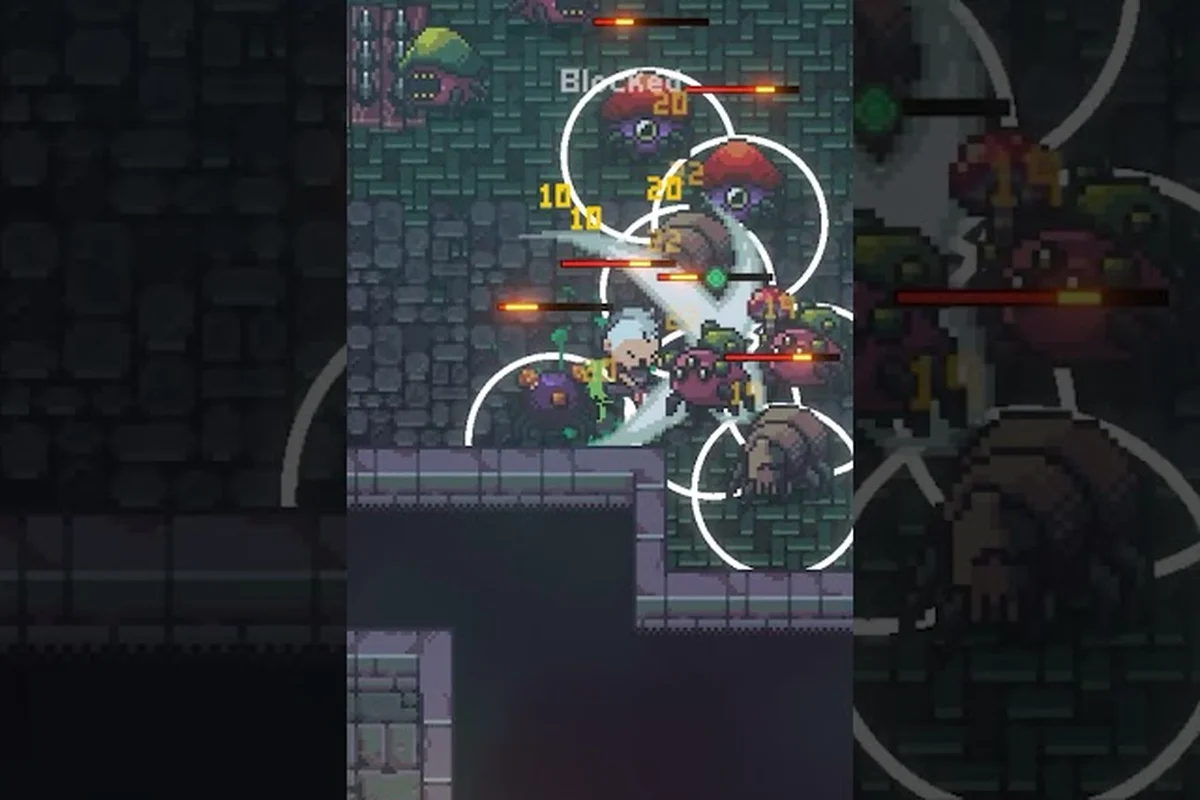
Emberville Beginner Guide: Your First Hour in the Vitromotus
Start your Emberville beginner guide with the first-hour basics inside the Vitromotus, covering movement, combat, and the opening dungeon survival tips.
Emberville Getting Started: Wake Up and Find the First Town
Get into Emberville getting started with the first moves after waking up, from core controls to the basics of exploring the Vitromotus prologue loop.
Emberville Controller Support: Best Settings and Setup
Get Emberville controller support running with the best input layout, difficulty options, and save system tips so your Vitromotus run feels smooth from the start.
All Articles
Emberville How Long Is the Demo: Runtime and Content
Find out Emberville how long is the demo with a breakdown of prologue runtime, the content it covers, and how it previews the October 27 Early Access launch.
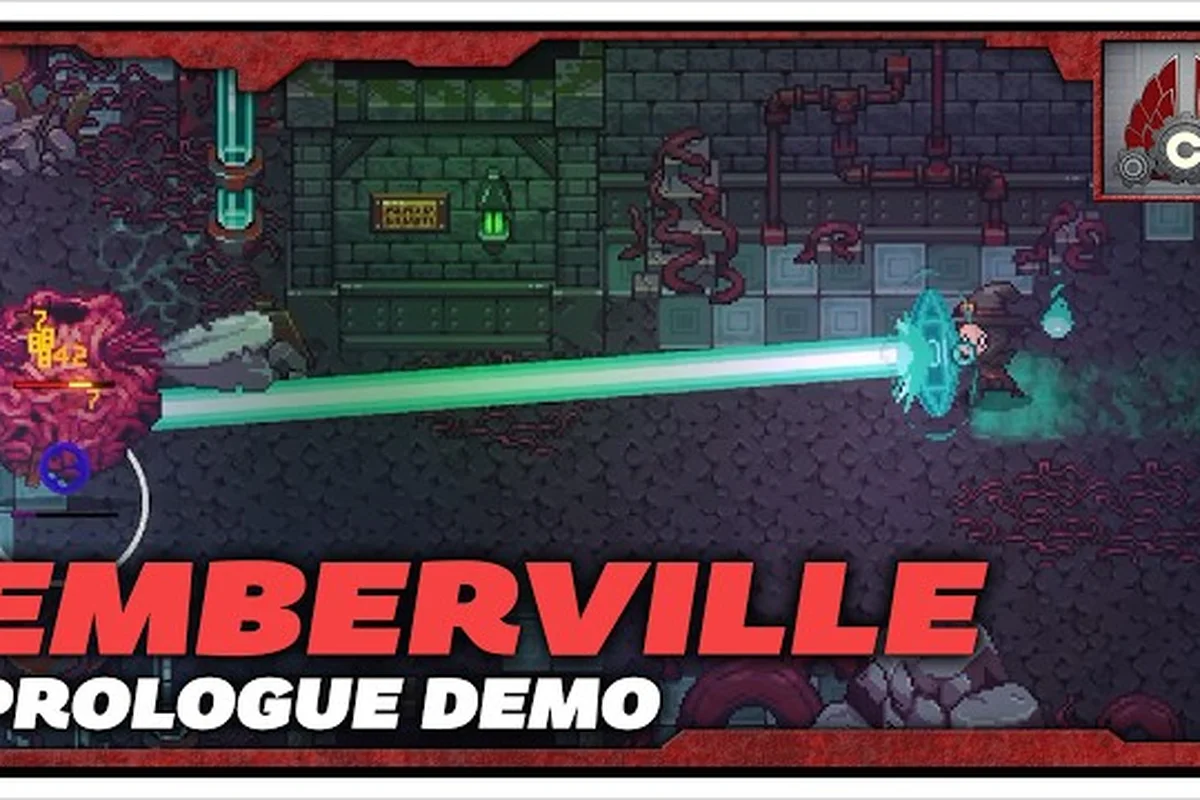
Emberville Progression Guide: Level Up Fast and Smart
Speed up your Emberville progression guide with smart leveling routes, stat priorities, and the common mistakes that slow new players down in the Vitromotus dungeon.
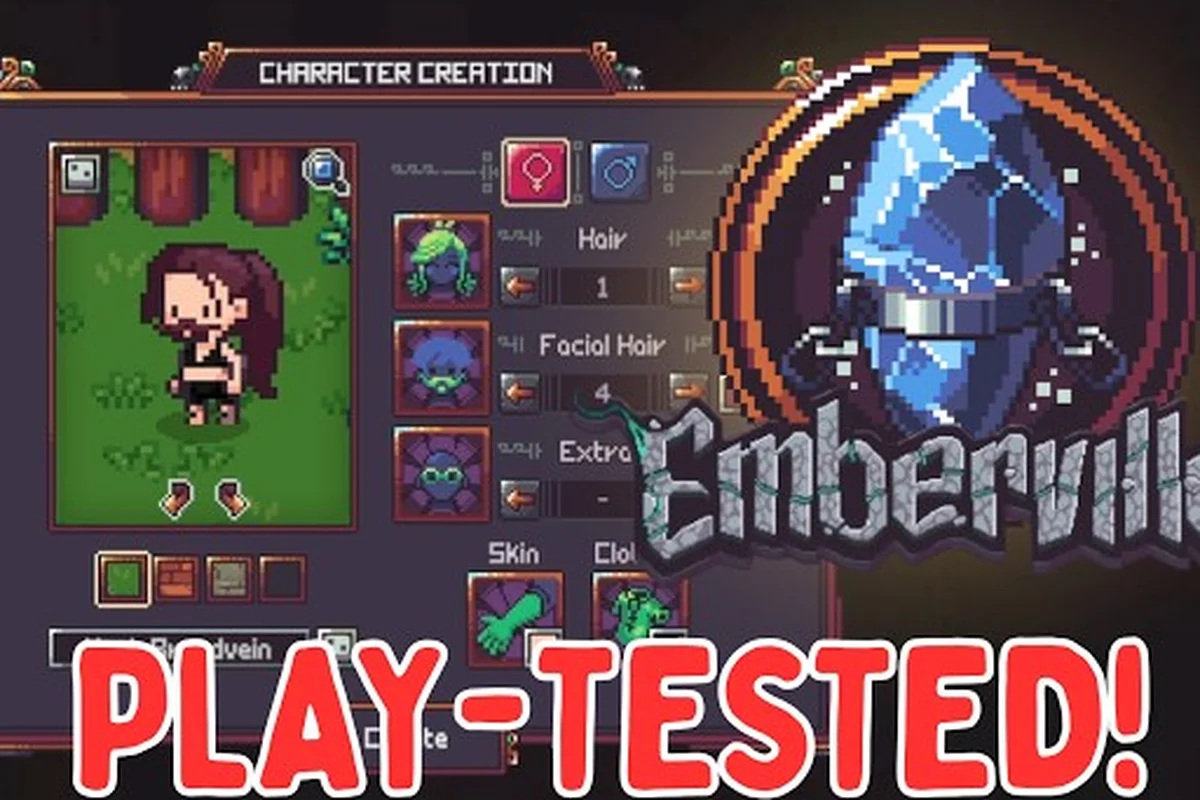
Emberville Tips and Tricks: Survive and Explore Smarter
Survive deeper in the Vitromotus with these Emberville tips and tricks covering smart exploration habits, combat timing, and resource-aware early choices.
Emberville Tutorial: Full Walkthrough of Controls and Basics
Master the essentials with a complete Emberville tutorial covering every control, the wiki-level basics of the Vitromotus, and the first achievements to chase.
Emberville Achievement Guide: 100% the Game Solo
Unlock every Steam achievement in Emberville as a solo player, with performance settings tuned for a smooth run through the full Vitromotus experience.
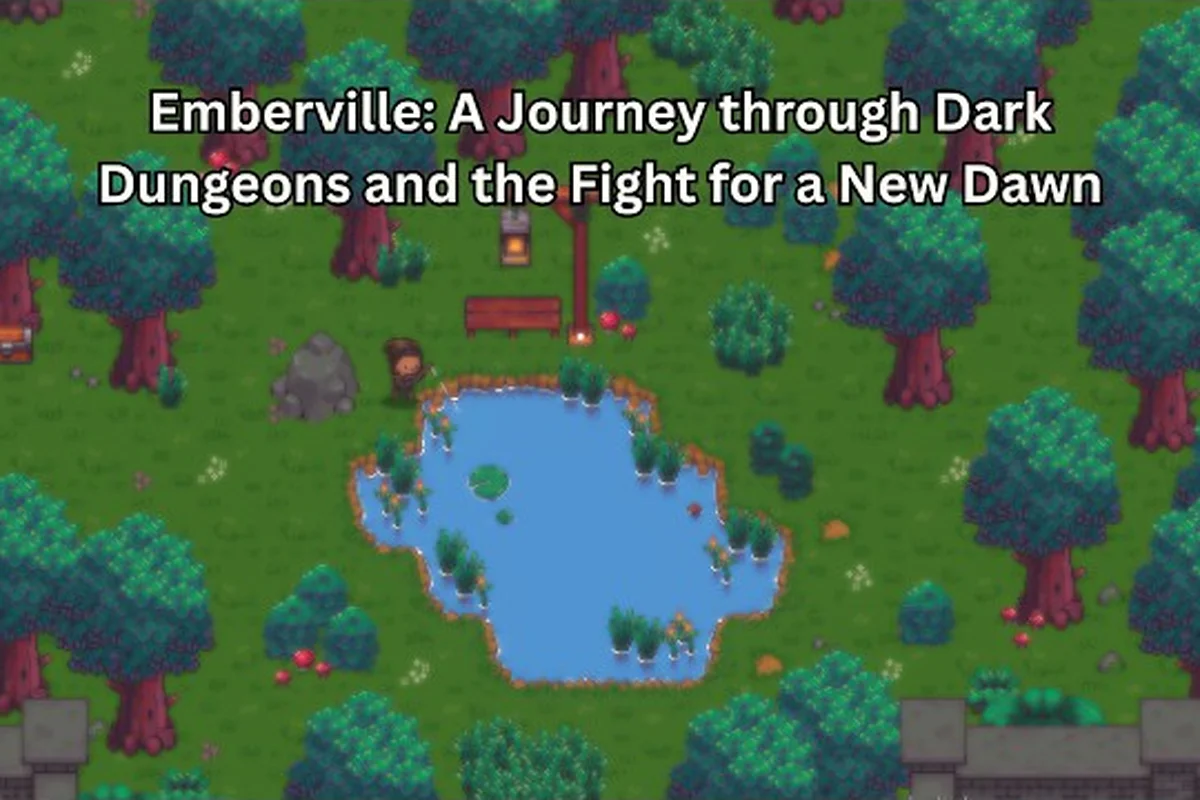
Emberville Map Guide: Quests, Side Quests, and Routes
Navigate every quest with the Emberville map guide, including side quest routes, hidden NPC hints, and Steam achievement tracking across the Vitromotus dungeon.
Emberville Best Performance: Fix Lag and Optimize Settings
Eliminate stutter and lag in Emberville with the best performance settings, covering system requirements tweaks and proven fixes for smoother dungeon exploration.